


ELIMINATE MOSQUITO BREEDING AT THE SOURCE
Expert Insights for Smarter Mosquito Control
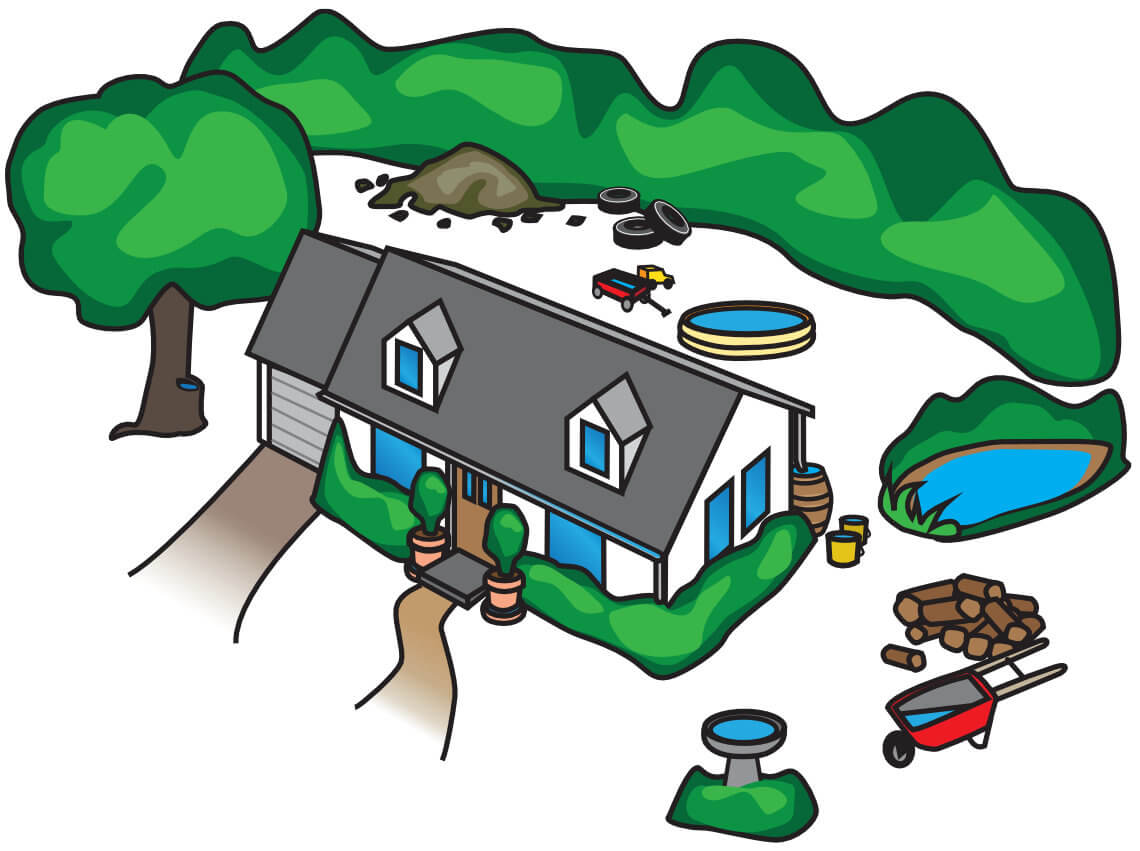
Leaf Piles
Avoid treating compost that could be used for gardening purposes
Old & Discarded Tires
Tires are an ideal breeding site for mosquitoes like Aedes albopictus. If the customer can’t remove them, treat with Sumilarv or NyGuard IGR
Children's Toys
Have customers regularly dump water from these items and make sure they’re put away before your treatment.
Kiddie Pools
Have customers regularly dump water from these items and make sure they’re put away before your treatment.
Rain Barrels
Dump water from equipment or buckets. Be on the lookout for any items or equipment covered with tarps. Tarps are particularly good at collecting water.
Watering Cans / Buckets
Dump water from equipment or buckets. Be on the lookout for any items or equipment covered with tarps. Tarps are particularly good at collecting water.
Ornamental Ponds
Be on the lookout for koi ponds, fruit trees, vegetable, or herb gardens. Avoid treating these!
Wood Piles
Avoid treating wood that could be used in fireplaces or pits
Wheelbarrows / Garden Carts
Be on the lookout for any items or equipment covered with tarps. Tarps are particularly good at collecting water
Bird Baths
Water in birdbaths should be replaced weekly and scrubbed out to remove Aedes eggs that stick to the surface
Flowerpots
Aedes mosquitoes lay their eggs individually, often near waterlines and substrates that flood later. Eggs can survive drying out for several weeks, even months.
Saucers under Flowerpots
Aedes mosquitoes lay their eggs individually, often near waterlines and substrates that flood later. Eggs can survive drying out for several weeks, even months.
Tree Holes
Some Aedes mosquitoes specialize breeding in the stagnant water of tree holes. Tree holes are good locations for Sumilarv applications
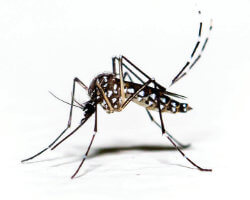
Aedes
Common breeding sites:
Floodwaters, containers, and other items that accumulate water
Peak biting time:
Sunrise and sunset
Vectors:
Zika, dengue, yellow fever
Quick fact:
Aedes can breed in small amounts of water. The amount in a bottle cap is enough!
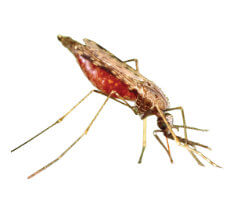
Anopheles
Common breeding sites:
Sunny, stagnant water such as swamps and marshes
Peak biting time:
Late night to sunrise
Vectors:
Malaria
Quick fact:
Although there are 430 species of this genus, only 30 or 40 of them spread malaria
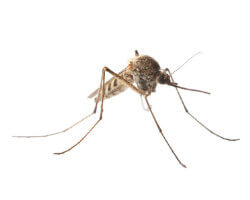
Culex
Common breeding sites:
Catch basins
Peak biting time:
Dusk to 2 A.M.
Vectors:
West Nile virus, St. Louis encephalitis
Quick fact:
Culex lay their eggs in rafts and can lay up to 300 eggs in one raft.
BONUS TIP: Botanicals Vs Synthetics
Botanical insecticides are derived from plants and generally break down quickly. These are best used in places where people or animals spend a lot of time. Use targeted applications in these sensitive areas.
Synthetic insecticides are man-made and can provide a longer residual than botanicals. Try to use them in lower traffic areas that have less opportunity for contact with people and pets.
Download the Expert Tips & Products for Mosquito Control Infographic below.
Download Now
 Products
 Search